Planning a Fourth of July getaway to North County San Diego? From beachfront celebrations and family-friendly parades to fireworks and drone shows, Independence Day is one of the most exciting weekends of the summer.
Whether you’re staying in Del Mar, Encinitas, Solana Beach, Carlsbad, Oceanside, or La Jolla, here’s your guide to the best Fourth of July events, beaches, and local tips for 2026.
Quick Guide: Fourth of July Events by Area
| Area | Featured Event |
|---|---|
| Del Mar | San Diego County Fair Fireworks Spectacular |
| Solana Beach | Fletcher Cove + Del Mar Fair Fireworks |
| Encinitas | Moonlight Beach + Del Mar Fair Fireworks |
| Carlsbad | LEGOLAND Red, White & BOOM! |
| Oceanside | Independence Parade + Fireworks & Drone Show |
| La Jolla | La Jolla Sky Show or Big Bay Boom |
Where to Celebrate the Fourth of July
Del Mar
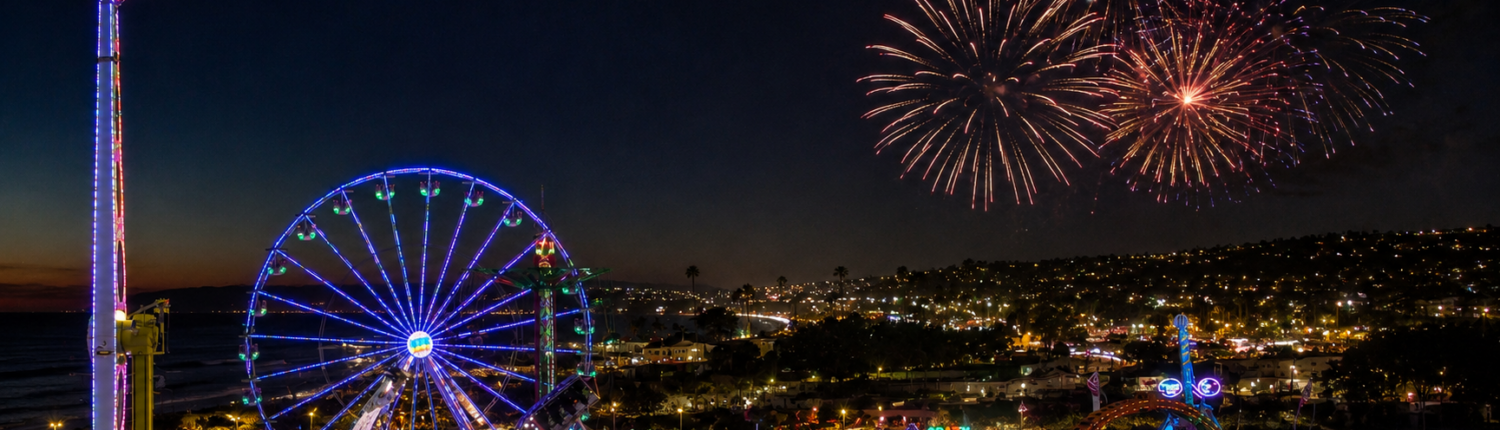
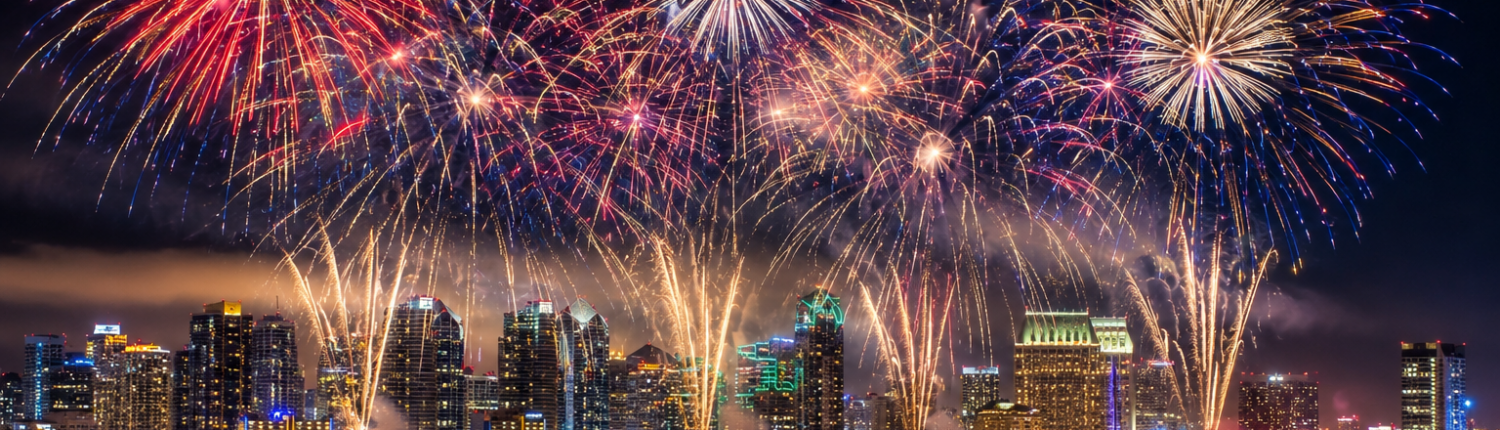
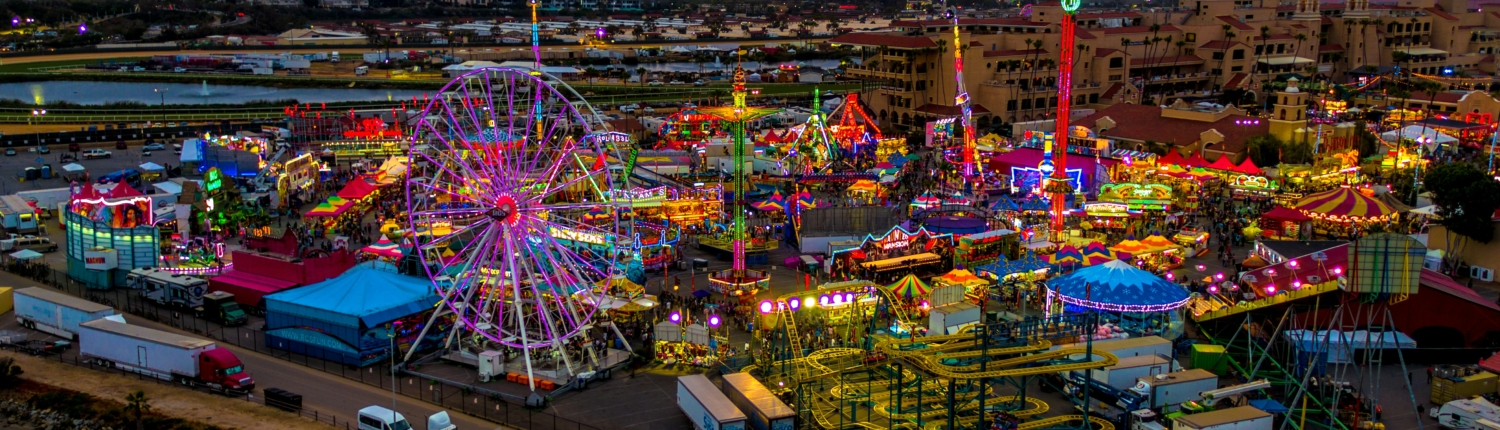
The San Diego County Fair concludes on July 4 with its annual Fireworks Spectacular at the Del Mar Fairgrounds. Spend the day enjoying rides, food, exhibits, and live entertainment before fireworks light up the sky at 9:00 PM.
Local Tip: Parking fills quickly. If you’re staying nearby, rideshare services are often the easiest way to get to and from the fairgrounds.
Solana Beach
Spend the day at Fletcher Cove, browse the shops and galleries of Cedros Design District, and then head a few minutes south to the Del Mar Fairgrounds for the Fireworks Spectacular.
Solana Beach offers a quieter coastal experience while keeping you close to one of North County’s biggest Independence Day celebrations.
Encinitas
Encinitas doesn’t host a major fireworks show of its own, but it’s one of the best places to spend the day before heading to Del Mar for the evening.
Start your holiday at Moonlight Beach, enjoy lunch along Highway 101, explore downtown Encinitas, and then make the short drive to the Del Mar Fairgrounds for fireworks.
Carlsbad
Carlsbad offers one of North County’s premier family-friendly Fourth of July celebrations.
LEGOLAND California’s annual Red, White & BOOM! event features patriotic entertainment, themed activities, and a fireworks display on the evening of July 4.
Visitors can also spend the day enjoying Tamarack Beach, exploring Carlsbad Village, or dining at one of the city’s many coastal restaurants before the festivities begin.
Oceanside
Oceanside hosts multiple Independence Day celebrations and is a great choice for visitors looking for a festive atmosphere.
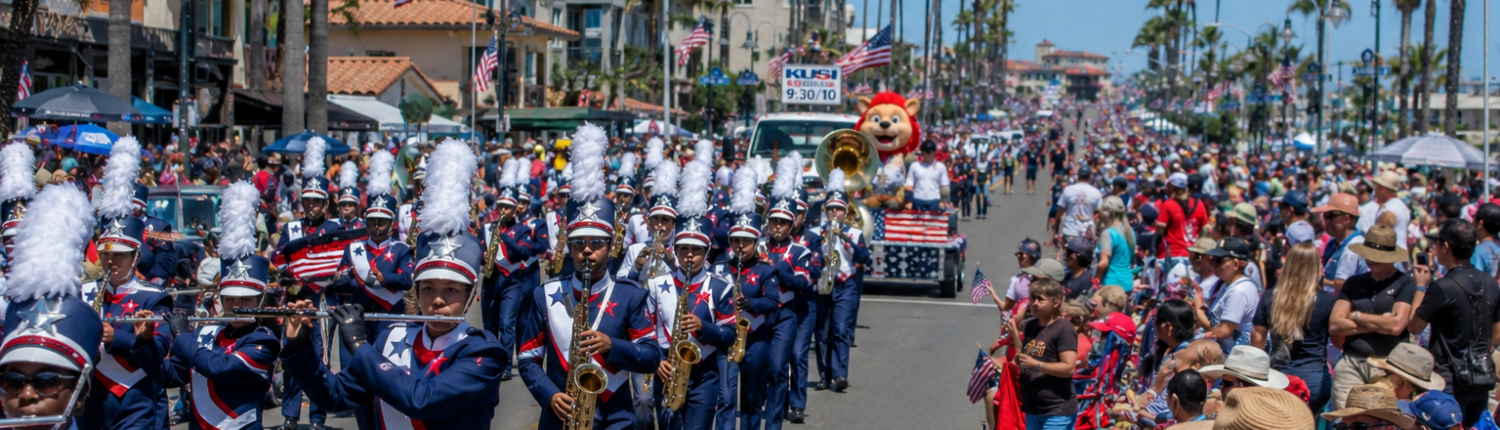
The Oceanside Independence Parade takes place along Historic Coast Highway and remains one of Southern California’s longest-running patriotic traditions.
On July 3, the city hosts its annual Fireworks & Drone Show at the SoCal Soccer Complex at El Corazon, combining traditional fireworks with synchronized drone displays for a unique holiday experience.
La Jolla
La Jolla offers visitors two distinct ways to celebrate Independence Day.
For a local coastal experience, head to La Jolla Shores for the annual La Jolla Sky Show. The event features hundreds of synchronized drones creating patriotic images above the shoreline, with viewing available from La Jolla Shores Beach and Kellogg Park.
Looking for the largest fireworks display in California? Many La Jolla visitors choose to head downtown for the Port of San Diego’s Big Bay Boom. Fireworks launch simultaneously from multiple barges throughout San Diego Bay, creating one of the region’s most spectacular Independence Day celebrations.
Local Tip: Families often prefer the convenience of the La Jolla Sky Show, while visitors looking for a bucket-list Fourth of July experience may enjoy making the trip to Big Bay Boom.
Best Beaches for Fourth of July Weekend
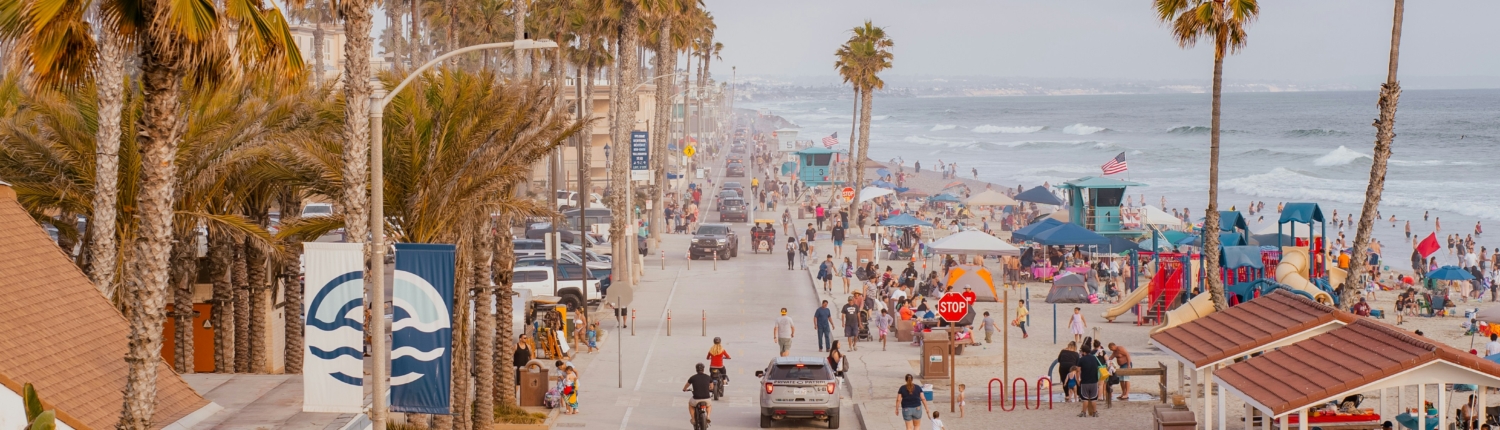
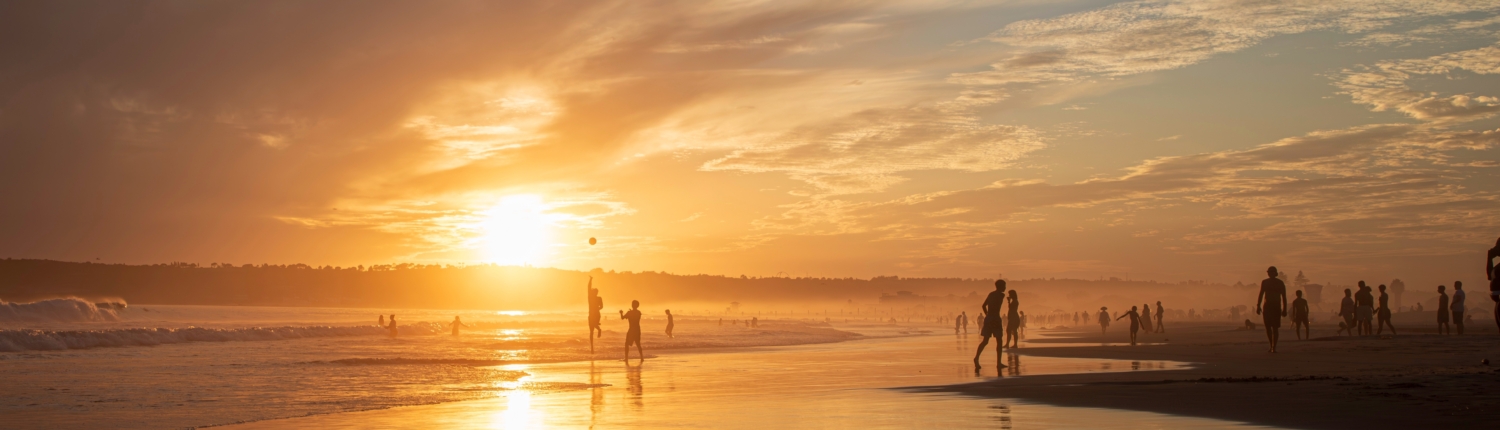
If you’re planning to spend the holiday by the water, these North County beaches are local favorites:
Moonlight Beach (Encinitas)
Family-friendly with playgrounds, volleyball courts, lifeguards, and excellent amenities.
Del Mar City Beach
A beautiful stretch of coastline with easy access to restaurants and shopping.
Tamarack Beach (Carlsbad)
Known for wide sandy beaches, swimming, and scenic coastal views.
Fletcher Cove (Solana Beach)
A local favorite offering ocean views, beach access, and a walkable location near restaurants and shops.
Fourth of July Local Tips
- Arrive early for beach parking—many lots fill before noon.
- Make restaurant reservations in advance.
- Alcohol is prohibited on most San Diego County beaches.
- Expect heavier traffic throughout the holiday weekend.
- Consider rideshare services for fireworks events and the Del Mar Fairgrounds.
- Bring layers for evening celebrations near the coast.
Frequently Asked Questions
Where can I watch fireworks in North County San Diego?
The San Diego County Fair Fireworks Spectacular in Del Mar, LEGOLAND’s Red, White & BOOM! event in Carlsbad, and Oceanside’s Fireworks & Drone Show are among the area’s most popular celebrations.
What time do the Del Mar Fair fireworks start?
The San Diego County Fair Fireworks Spectacular is scheduled to begin at approximately 9:00 PM on July 4.
What is the largest fireworks show in San Diego?
Big Bay Boom is the largest fireworks display in California and takes place over San Diego Bay on the evening of July 4.
What are the best beaches for the Fourth of July in North County San Diego?
Moonlight Beach, Del Mar City Beach, Tamarack Beach, and Fletcher Cove are among the most popular options for visitors spending Independence Day along the coast.
Celebrate Summer in North County San Diego
From beach days and parades to fireworks and drone shows, Fourth of July weekend is one of the best times to experience North County San Diego.
Whether you’re planning a family vacation, a romantic getaway, or a long holiday weekend with friends, North County offers the perfect mix of coastal relaxation and festive celebration.
Looking for the perfect place to stay? Explore PS Platinum Vacation Rentals’ collection of professionally managed homes throughout Del Mar, Encinitas, Solana Beach, Carlsbad, Oceanside, and La Jolla.
 1. Memorial Day Ceremony at Fort Rosecrans National Cemetery